AFLAS® vs Viton® vs FFKM O-Ring Performance
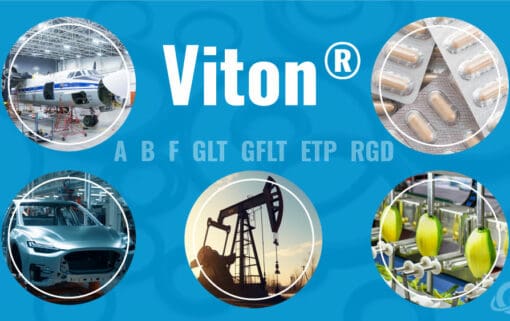
Summary Introduction AFLAS® (FEPM/TFE-P), Viton® (FKM), and FFKM are often grouped together under the “fluoropolymer o-ring” label. Despite this shared classification, each material responds differently to environmental exposure. Real-world performance depends on how an elastomer ages under sustained operating conditions. Steam, alkaline media, solvents, and elevated temperatures introduce distinct degradation mechanisms that influence elasticity, hardness, […]
Thermal Aging vs Chemical Attack: Diagnosing Elastomer Seal Failures
Summary Thermal Aging vs. Chemical Attack in Elastomer Seals Elastomer seals fail for many reasons, but thermal aging and chemical attack are among the most common. Thermal aging degrades elastomers over time by altering the polymer’s internal structure and physical properties, while chemical attack damages seals through material incompatibility, leading to swelling, shrinkage, or loss […]
X-Ring’s Design, Performance, and Selection
Summary Introduction At a glance, an x-ring looks like a minor variation on a standard o-ring. Instead of a round cross-section, it features four distinct lobes. The subtle change in geometry, however, can meaningfully affect how a seal behaves. X-Rings, often called quad rings, are not intended to replace o-rings across the board. Rather, they […]
Color Coding, Marking, and Lot Control for O-Rings
Summary Why Color Coding, Marking, and Lot Control Matter in O-Ring Applications Color coding, part marking, and lot control play a major role in preventing part mix-ups, supporting quality systems and audits, and reducing downtime and rework. By using color codes or markings to distinguish parts, manufacturers and maintenance teams can prevent part mix-ups and […]
Español
English
Français
Português
Deutsch
Italiano
Русский
中文
日本語
العربية
हिन्दी