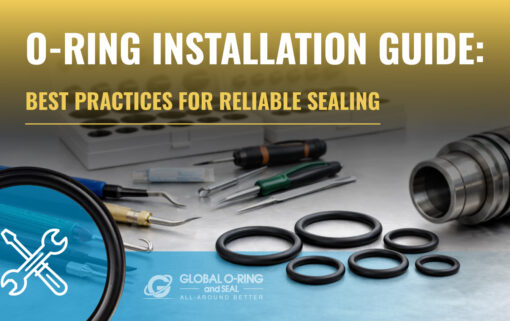
O-Ring Installation Best Practices
Summary Introduction O-Ring performance is often evaluated based on material selection, chemical compatibility, and operating conditions. However, installation is just as critical in determining whether a seal performs as intended. Some sealing issues attributed to material failure or poor design can result from improper handling, inadequate preparation, or incorrect installation techniques. Even a correctly specified […]
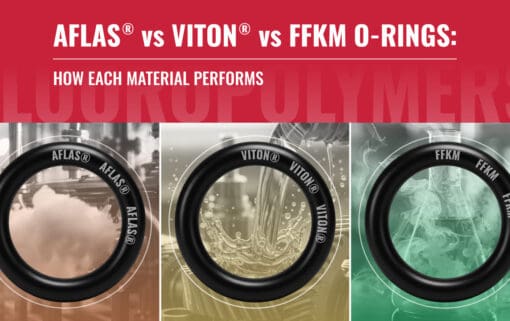
AFLAS® vs Viton® vs FFKM O-Ring Performance
Summary Introduction AFLAS® (FEPM/TFE-P), Viton® (FKM), and FFKM are often grouped together under the “fluoropolymer o-ring” label. Despite this shared classification, each material responds differently to environmental exposure. Real-world performance depends on how an elastomer ages under sustained operating conditions. Steam, alkaline media, solvents, and elevated temperatures introduce distinct degradation mechanisms that influence elasticity, hardness, […]
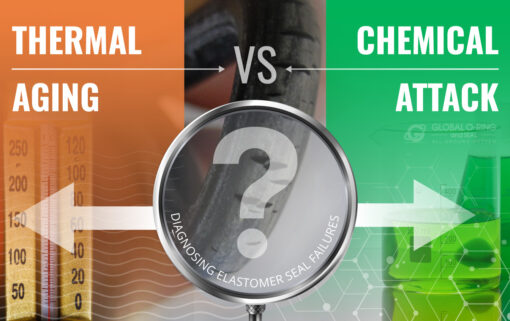
Thermal Aging vs Chemical Attack: Diagnosing Elastomer Seal Failures
Summary Thermal Aging vs. Chemical Attack in Elastomer Seals Elastomer seals fail for many reasons, but thermal aging and chemical attack are among the most common. Thermal aging degrades elastomers over time by altering the polymer’s internal structure and physical properties, while chemical attack damages seals through material incompatibility, leading to swelling, shrinkage, or loss […]
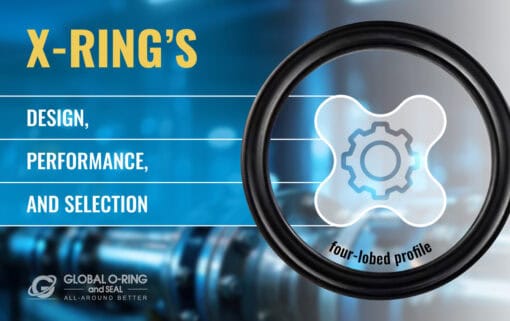
X-Ring’s Design, Performance, and Selection
Summary Introduction At a glance, an x-ring looks like a minor variation on a standard o-ring. Instead of a round cross-section, it features four distinct lobes. The subtle change in geometry, however, can meaningfully affect how a seal behaves. X-Rings, often called quad rings, are not intended to replace o-rings across the board. Rather, they […]
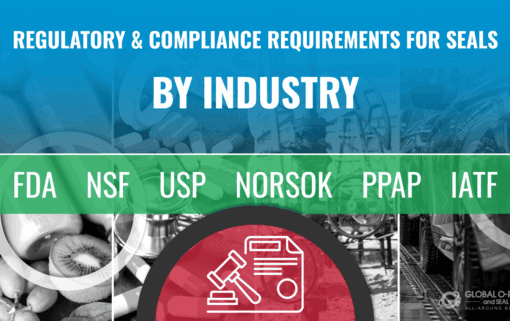
Regulatory & Compliance Requirements for Seals by Industry
Summary Introduction Designing reliable sealing solutions requires careful consideration of industry regulations and standards. Many industries require seals to meet specific certifications or standards. By understanding these requirements early in the design phase, engineers can select the appropriate o-rings and elastomer materials certified for their application, avoiding costly redesigns or regulatory issues later. Food, Beverage […]
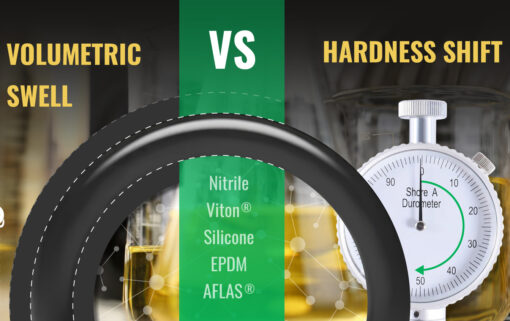
Volumetric Swell vs. Hardness Shift in Elastomers
Summary Why Swell and Hardness Matter in Seal Performance When an elastomer seal is exposed to fluids over time, two material-level changes largely determine its long-term reliability: volumetric swell and hardness shift. These parameters capture how the seal’s size and stiffness evolve due to chemical exposure. Excessive swell or a significant change in hardness can […]
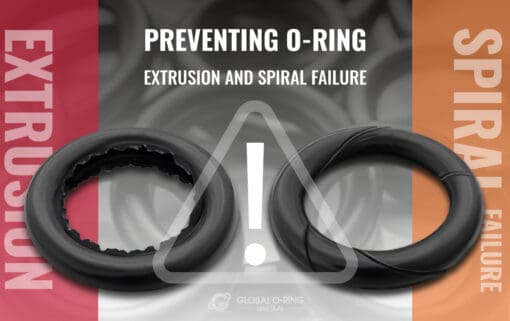
Preventing O-Ring Extrusion and Spiral Failure
Summary Introduction A sealing system’s design must account for common o-ring failure modes that compromise long-term reliability. Extrusion and spiral failure are crucial. They often happen quietly during operations. However, they can cause sudden, serious leaks when the seal fails to work. Extrusion typically occurs when pressure and clearance conditions exceed the limits of the […]
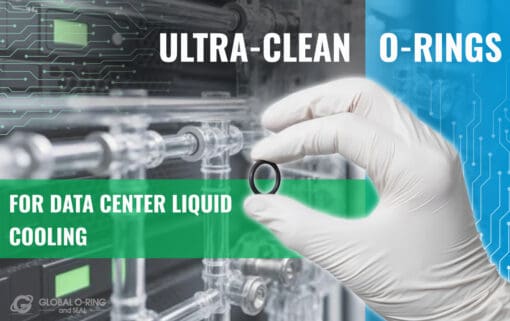
Ultra-Clean O-Rings for Data Center Liquid Cooling
Summary Why Data Centers Are Shifting to Liquid Cooling Systems The data center landscape is shifting rapidly as AI, machine learning, and high-performance computing (HPC) drive rack power densities beyond the limits of traditional air-based cooling. As a result, liquid cooling is becoming a practical and increasingly necessary solution for modern data centers seeking efficiency, […]
Français
English
Español
Português
Deutsch
Italiano
Русский
中文
日本語
العربية
हिन्दी