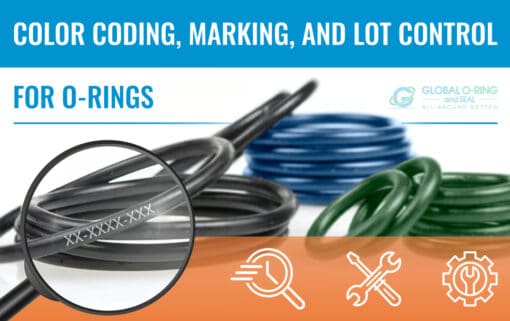
Color Coding, Marking, and Lot Control for O-Rings
Summary Why Color Coding, Marking, and Lot Control Matter in O-Ring Applications Color coding, part marking, and lot control play a major role in preventing part mix-ups, supporting quality systems and audits, and reducing downtime and rework. By using color codes or markings to distinguish parts, manufacturers and maintenance teams can prevent part mix-ups and […]
Regulatory & Compliance Requirements for Seals by Industry
Summary Introduction Designing reliable sealing solutions requires careful consideration of industry regulations and standards. Many industries require seals to meet specific certifications or standards. By understanding these requirements early in the design phase, engineers can select the appropriate o-rings and elastomer materials certified for their application, avoiding costly redesigns or regulatory issues later. Food, Beverage […]
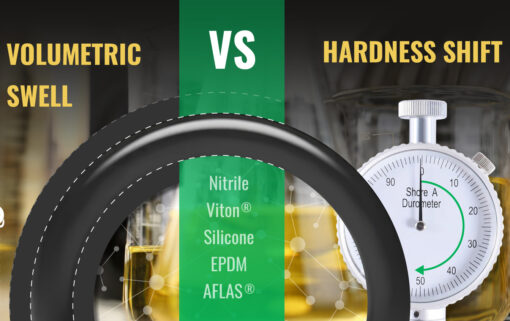
Volumetric Swell vs. Hardness Shift in Elastomers
Summary Why Swell and Hardness Matter in Seal Performance When an elastomer seal is exposed to fluids over time, two material-level changes largely determine its long-term reliability: volumetric swell and hardness shift. These parameters capture how the seal’s size and stiffness evolve due to chemical exposure. Excessive swell or a significant change in hardness can […]
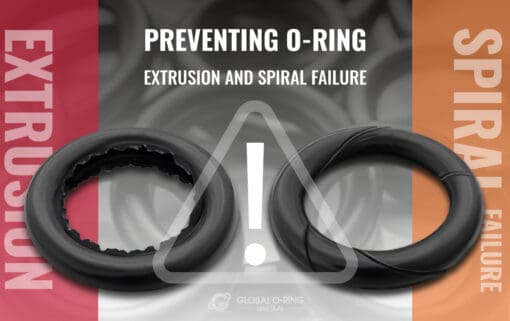
Preventing O-Ring Extrusion and Spiral Failure
Summary Introduction A sealing system’s design must account for common o-ring failure modes that compromise long-term reliability. Extrusion and spiral failure are crucial. They often happen quietly during operations. However, they can cause sudden, serious leaks when the seal fails to work. Extrusion typically occurs when pressure and clearance conditions exceed the limits of the […]
English
Español
Français
Português
Deutsch
Italiano
Русский
中文
日本語
العربية
हिन्दी